Microsoft eyed Cursor before SpaceX move
AI is moving where decisions are made. Defense, leadership, and drug discovery are all shifting at once.
The shifts worth your attention:
Pentagon requests $54B to scale AI-driven warfare systems
Microsoft explored buying Cursor before it took a SpaceX turn
Apple names John Ternus CEO as Tim Cook moves to chairman role
Merck turns to Google Cloud AI to cut drug development timelines
Main Stories
Pentagon requests $54B to scale AI-driven warfare systems
The US Pentagon has proposed a $54 billion increase in defense spending, with a significant portion directed toward AI and autonomous capabilities.
The request comes as part of a broader modernization effort, where military leadership is prioritizing AI-assisted decision systems, autonomous weapons, and real-time battlefield intelligence.
According to the report, the Department of Defense is accelerating deployment timelines for AI-enabled systems across surveillance, targeting, and logistics.
Why it matters:
This is one of the clearest financial signals, yet that AI is becoming embedded in military doctrine. The scale of funding suggests long-term integration, not experimentation.
Microsoft explored buying Cursor before it took a SpaceX turn
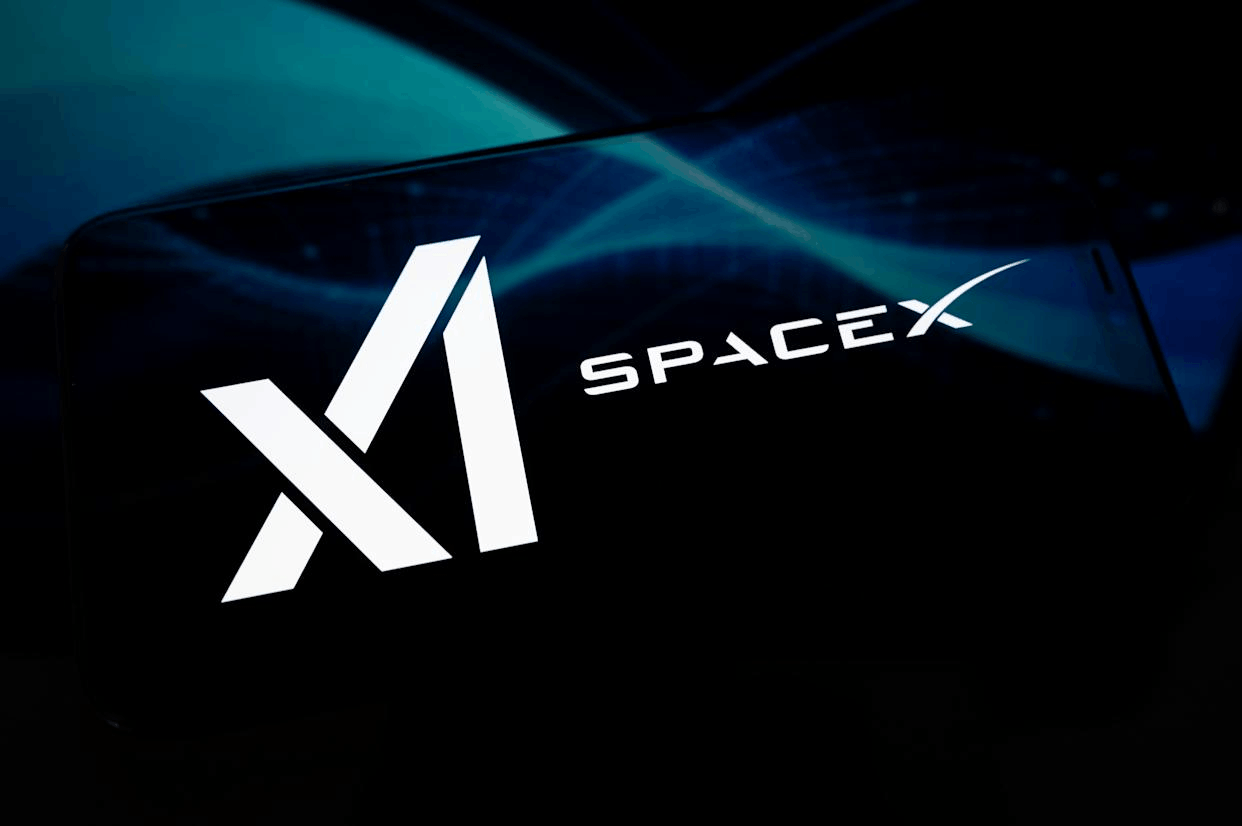
Microsoft held talks to acquire Cursor, an AI coding startup gaining traction for its in-editor assistance.
Cursor works directly inside developer environments, helping write, edit, and navigate code in real time. This makes it part of the daily workflow, not a separate tool.
The deal did not materialize. Cursor instead moved toward an arrangement involving SpaceX, pointing to interest beyond traditional software players.
A recent SpaceX post ties into this move:

Interest in Cursor shows where the value is shifting, from standalone AI models to tools developers actually use while building.
Apple names John Ternus CEO as Tim Cook moves to chairman role
Apple has appointed John Ternus as its next CEO, marking a major leadership transition after Tim Cook’s long tenure. Cook will remain with the company as chairman.
Ternus, who previously led Apple’s hardware engineering division, has overseen development of key products including iPhone and Mac hardware. His elevation suggests a stronger emphasis on device-level innovation and chip integration.
Unlike peers, Apple has largely focused on on-device processing and privacy-first AI, which could shape its next phase under Ternus.
Why it matters:
Leadership shifts at Apple tend to signal strategic pivots. This move suggests AI may be built deeper into hardware, not just layered through software.
Merck turns to Google Cloud AI to cut drug development timelines
Merck is strengthening its partnership with Google Cloud to expand the use of AI across its research and development operations.
The collaboration focuses on applying AI to drug discovery, clinical trial optimization, and large-scale data analysis. These areas often involve processing complex biological data, where AI can significantly reduce analysis time.
Pharmaceutical companies are increasingly adopting AI to cut development timelines, which traditionally span 10-15 years and cost billions of dollars per drug.
Google Cloud will provide infrastructure and AI tools to help Merck improve efficiency across these stages, particularly in early research and trial design.
The move reflects a broader trend of healthcare companies partnering with cloud providers to scale AI capabilities without building infrastructure from scratch.
Quick Hits
OpenAI’s image model tops benchmarks with record lead
GPT-Image-2 ranks #1 across Image Arena leaderboards, with a +242 point lead in text-to-image, marking one of the widest performance gaps recorded so far.
Meta’s AI employee tracking tool raises internal concerns
The system reportedly monitors activity patterns, adding to ongoing debates around surveillance and workplace privacy.Anthropic valuation reportedly nears $1 trillion in secondary markets
Investor demand for leading AI labs continues to surge, even outside primary funding rounds.AI could unlock $22B in gaming industry profits
A Morgan Stanley estimate points to cost reductions across development, testing, and live operations.
Top Tweet of the Week
Andrew Ng calls out a growing gap in AI coding workflows
“Vibe coding” may be fast, but it often misses the brief. His new course, built with JetBrains, focuses on spec-driven development, where you define exactly what to build before handing it to an AI agent.
The goal is simple: fewer iterations, more predictable output.

Everyday AI Tips
Turn Google Workspace into an execution layer
Google’s latest update pushes AI deeper into Workspace tools. The advantage lies in how workflows are structured.
How to use it effectively:
• Convert meetings into actions
Summarize discussions and generate task lists directly in Docs
• Make Sheets predictive
Use AI to identify patterns and suggest next steps
• Reduce writing time
Generate structured drafts in Gmail and refine tone quickly
• Work inside Docs, not around it
Use AI to plan, outline, and iterate ideas in one place
Result: Less time documenting. More time executing.
Worth a Try AI Tools
A large language model designed for long-context understanding and structured reasoning tasks. It is built to handle extended inputs such as long documents, multi-step prompts, and detailed analysis workflows.
Why try it?
Useful for research-heavy tasks where context length and continuity matter.
An agentic search system that performs multi-step research and synthesizes structured outputs.
Why try it?
Ideal for users who need processed insights rather than raw search results.
It enables generation of AI-driven video frames and scalable visual content.
Why try it?
Speeds up production for teams creating high-volume video content.
What This Week Revealed
AI didn’t stay in products this week.
It showed up in budgets, leadership, and drug development timelines.
That’s where real change sticks.